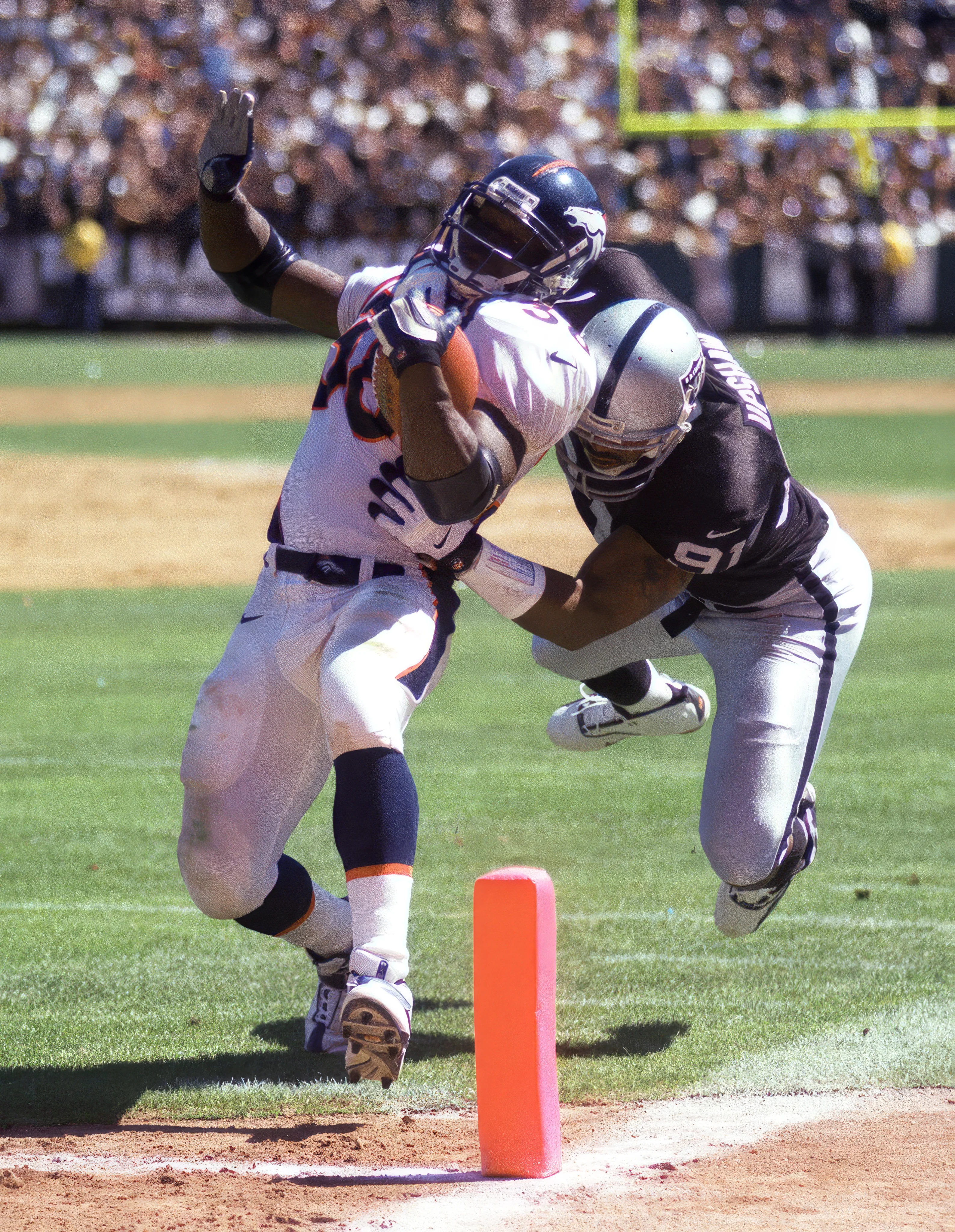
Sports Photography Tips
Posted by Ralph Berrett in General on the Big Photo Hunt community board, .
For sports photography, prioritize a fast shutter speed to freeze action, typically 1/1000s or faster. Use continuous autofocus (AF-C) to track moving subjects and burst mode to capture a sequence of shots. Adjust aperture and ISO as needed to balance exposure, and consider using a wide aperture (low f-number) for a shallow depth of field to isolate subjects.
Shutter Speed
Freeze Motion:
A high shutter speed is crucial for freezing action. For fast-paced sports like soccer, motorsports, or cycling, 1/1000s or faster is recommended.
Adjust for Speed:
.Slower sports or those with less extreme movement (like a golfer's swing) might allow for slightly slower shutter speeds, but still aim for 1/500s or faster.
Minimum Shutter Speed:
.As a general guideline, 1/1000s is often a good starting point, and you can adjust it based on the specific sport and lighting conditions.
Aperture:
Wide Aperture for Blur:
A wide aperture (low f-number, like f/2.8) creates a shallow depth of field, blurring the background and isolating the subject.
Consider Depth of Field:
While a wide aperture is generally preferred, consider the desired depth of field for your shot. Sometimes, a slightly smaller aperture might be necessary to ensure the entire subject is in focus.
Lens Limitations:
Be mindful of your lens's capabilities. Some lenses might not allow for wide-open apertures in certain situations.
ISO:
Auto ISO:
If you're adjusting shutter speed and aperture, such as when a stadium is in half shadow, you can often leave ISO on auto to let the camera handle the exposure changes.
Adjust as Needed:
If you're having trouble getting enough light, increase the ISO, but be aware that higher ISO settings can introduce noise (graininess) in the image.
Balance Noise and Speed:
It's often better to have a slightly noisy image than a blurry one, so don't be afraid to increase ISO if needed.
Focus Mode:
Continuous Autofocus (AF-C):
.This mode is essential for tracking moving subjects. The camera will continuously refocus as the subject moves.
Single Focus Point:
.For precise focus, use a single focus point (often the center) and keep it on your subject as they move.
Focus Tracking:
Some cameras have advanced focus tracking features that can help you keep a subject in focus even as they move erratically.
Burst Mode:
Continuous Shooting (Burst Mode):
.This allows you to capture a sequence of shots with one press of the shutter button. It's crucial for capturing the decisive moment in action shots.
Choose the Right Burst Speed:
Most cameras have different burst speed settings (continuous low, continuous high). Experiment to find the setting that works best for your camera and the sport you're shooting.
White Balance:
Auto White Balance:
.Auto white balance often works well, but you might need to adjust it for indoor sports or specific lighting situations.
Custom White Balance:
.If you're shooting in a venue with tricky lighting, consider setting a custom white balance for more accurate colors.
Lens Choice:
Telephoto Lens: A telephoto lens (e.g., 70-200mm, 300mm) is often essential for sports photography, allowing you to get close.
Sports Shutter Speed
In sports photography, a fast shutter speed is crucial to freeze action and capture sharp images. Generally, a shutter speed of 1/1000th of a second or faster is recommended, especially for fast-moving sports. However, the specific shutter speed needed can vary depending on the sport, the amount of available light, and the desired effect (e.g., freezing or blurring motion for artistic purposes).
Shutter Speed In-Depth Guideline:
1/1000th of a second is a good starting point for most sports photography.
Fast-Moving Sports:
For sports like basketball, baseball, and tennis, where players move very quickly, a shutter speed of 1/1000th of a second or higher is recommended.
Freezing Action:
To sharply capture the movement of the ball or the expressions of athletes, even faster shutter speeds (e.g., 1/2000th of a second) might be necessary.
Light Conditions:
In bright daylight, a shutter speed of 1/1000th of a second might be sufficient. However, in lower light conditions, like indoor sports, you may need to increase the ISO to achieve a fast enough shutter speed.
Aperture Priority Mode:
When using Aperture Priority mode, you can set the aperture to its widest setting and then adjust the ISO to achieve the desired shutter speed.
Shutter Priority Mode:
If you know the shutter speed needed to freeze the action, you can use Shutter Priority mode and let the camera adjust the aperture.
Manual Mode:
Manual mode allows for the most control over both aperture and shutter speed, which can be helpful in challenging lighting situations.
Balancing Shutter Speed and ISO:
Remember that a faster shutter speed requires more light, so you may need to increase the ISO (which can introduce noise into the image) or widen the aperture (which can affect depth of field).